
Report · from B-Stock
2026 Recommerce Report
When more returned and excess inventory floods into the secondary market, the instinct is to assume all that added supply softens demand and pulls pricing down with it. In the first half of 2026, buyers absorbed the
- Format
- Report
- Published by
- B-Stock
- Category
- eCommerce & Retail
- Added
- 18 Sept 2026
About this report
When more returned and excess inventory floods into the secondary market, the instinct is to assume all that added supply softens demand and pulls pricing down with it. In the first half of 2026, buyers absorbed the surge without competition letting up.
The market moved more inventory through fewer, larger transactions, yet bidding per lot held and value held or rose across most categories. For teams deciding how much inventory to route into resale, the real question isn't whether the demand is there. It's whether this shift is a short-term reaction to today's conditions or the start of something more lasting.
The recommerce market is entering a more sophisticated phase, and this report breaks it down using more than 15 years of B-Stock platform data across dozens of categories, from buyer behavior and pricing to where inventory is really ending up.
Inside you'll find:
- Why the inventory mix moved from roughly 70/30 returns-to-overstock toward 50/50
- How the platform moved 20.6% more units through fewer, larger transactions
- Which categories are climbing fastest, led by apparel and furniture
- Which categories recover the most value, led by electronics at 36.3%
- How buyers are transacting beyond auctions, through Buy Now, Make an Offer, and negotiated contracts
Download the report to see how retailers are managing inventory beyond the primary market.
Listen or skim
Summaries are generated from this page’s text. Read the full piece for the detail.
More from B-Stock
All 4 →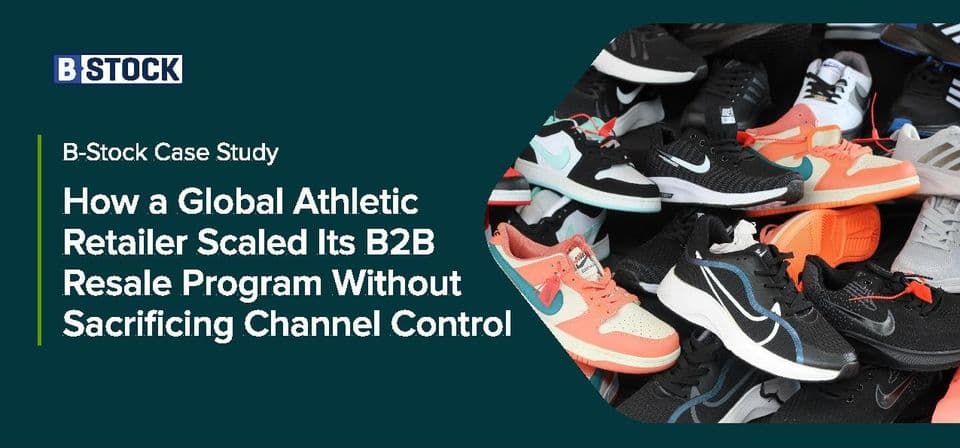
Case Study: How a Global Athletic Retailer Scaled Its B2B Resale Program Without Sacrificing Channel Control
Strict requirements around buyer eligibility and where inventory ends up typically come with a tradeoff on recovery. This program is proof that it doesn't have to work that way.
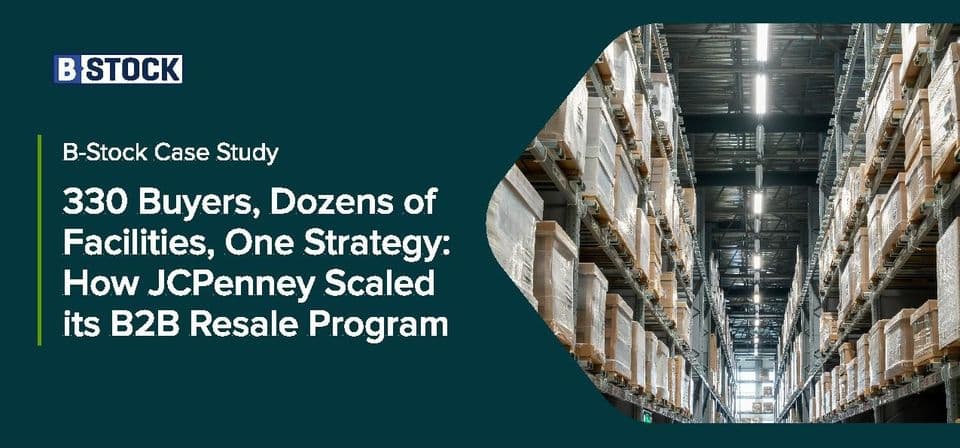
JCPenney Case Study
Fragmented liquidation across many facilities means limited buyer competition, inconsistent pricing, and no reliable way to benchmark or improve recovery over time. For retailers already running some form of

Case Study: How an Athletic Retailer Standardized Its Disposition Program for Aged Inventory, Boosting Pricing and Efficiency
When surplus inventory is managed by each location independently through a small group of jobbers, outcomes vary by facility and recovery is capped by a buyer pool that was never built to compete. The bottleneck isn't
Elsewhere in eCommerce & Retail
See the category →
Inside the IPO Window: Market Conditions, Deal Readiness, and the Role of AI
With IPO activity gaining renewed momentum, companies are evaluating an evolving and highly competitive market window. Issuers and deal teams face increasing pressure to execute efficiently and act quickly, making

Mastering the IPO Journey: Key Tips for Private Companies
As the IPO window reopens, private companies face a complex and fast-moving market. Deal teams and issuers must execute with flawless precision, but relying on fragmented data and manual workflows can severely
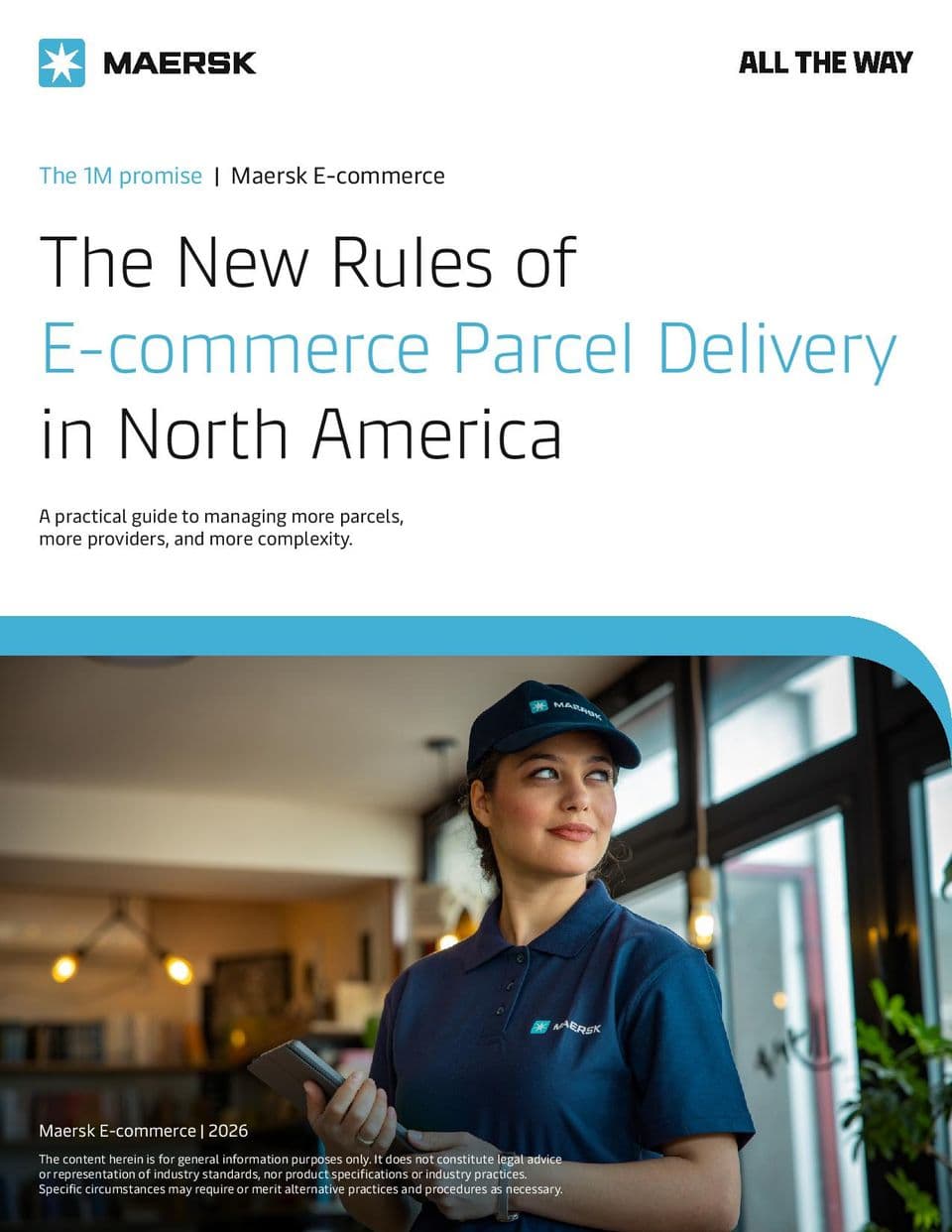
The New Rules of E-commerce Parcel Delivery in North America
Parcel Delivery Has Changed. Has Your Operating Model Kept Up?